Valentino Ivan Wilson
Exoskeletal Networks for Forearm Supination
Project Description:
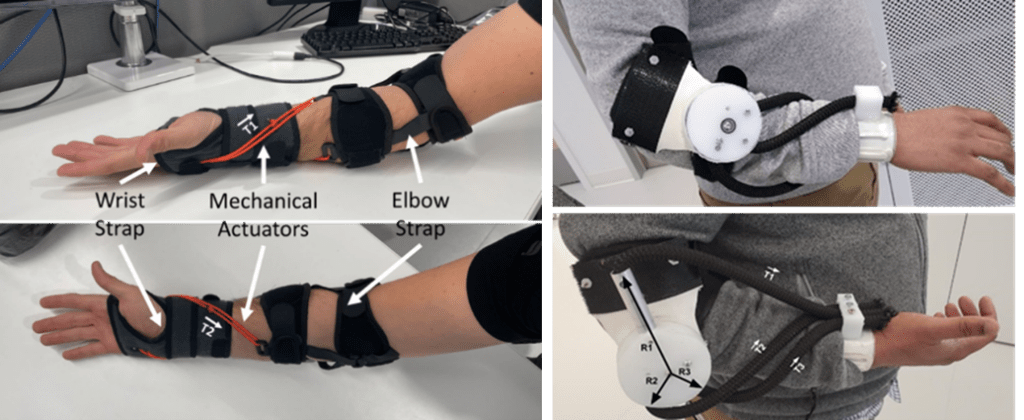
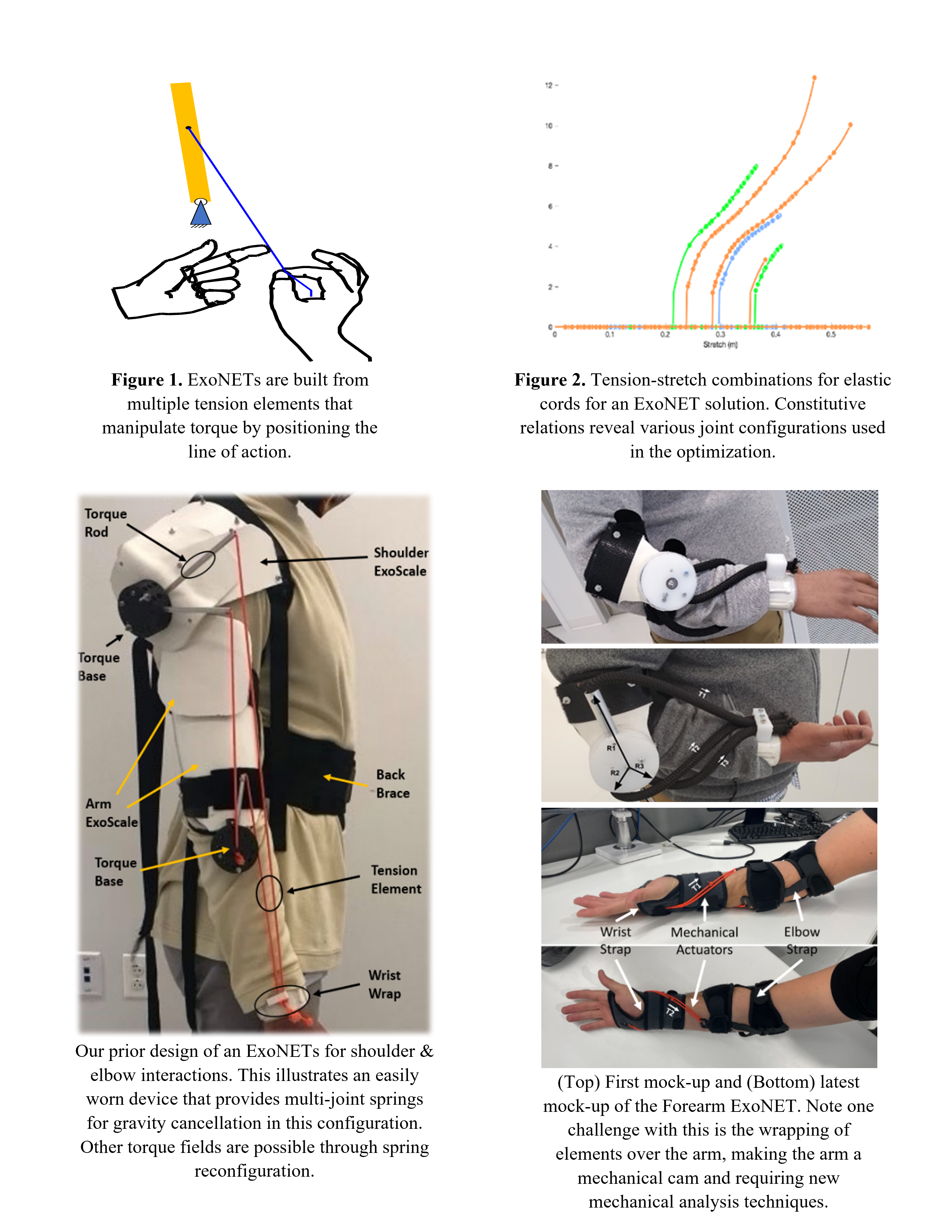
The role of robots in the neurorehabilitation setting has long been disputed as a means of effective treatment and therapy. While robotic neurorehabilitation allows for increased dosage and intensity of therapy which can lead to motor learning and overall improved patient outcomes, there has been push-back as these devices are heavy, bulky, expensive, require training and can be seen as replacing therapists. With this ongoing dispute, engineers in the field are constantly attempting to make robotic neurorehabilitation more accessible for use by all patients either in-patient, out-patient or at-home. Through this graduate-level course taken at Northwestern University, I learned the different types and roles that robots play in the biomedical field. I continued to further my experience with modeling and simulations through this class by analyzing different robotic systems for their forward and inverse kinematics and dynamics using standard conventions utilized by roboticists in the field. The project tasked us with drawing on our knowledge of biomedical robotics to create a proposal for a research/development project in the biomedical robotics field. I decided to build off my dissertation project of creating an exoskeletal network of passive actuators to assist in forearm pronation/supination for stroke survivors. This project was an individual effort.
University:
Northwestern University
Program:
Ph.D. in Biomedical Engineering
Course:
BME 467: Biomedical Robotics
Experience Level:
Ph.D. Year 1
Project Duration:
3 Months
Valentino Ivan Wilson
Chicago, IL
 Valentino Ivan Wilson